News · March 2026 · 4 min read
NFC as Storytelling — Every Garment Carries Its Own Memory
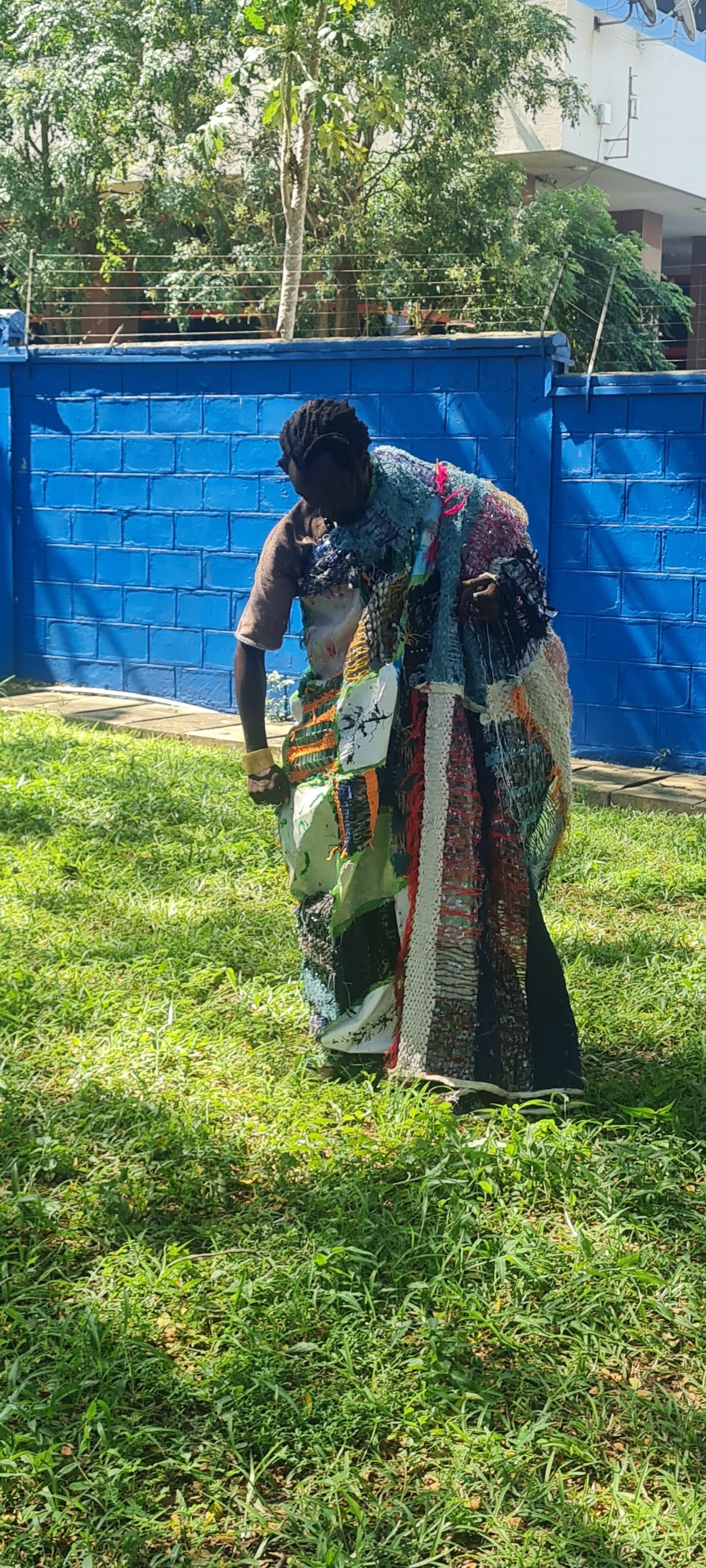
The NIPADUA clothing line pairs wearable art with NFC — each piece tagged with a chip that connects the wearer to the story of the material: where the bark came from, who wove the cloth, what it remembers.
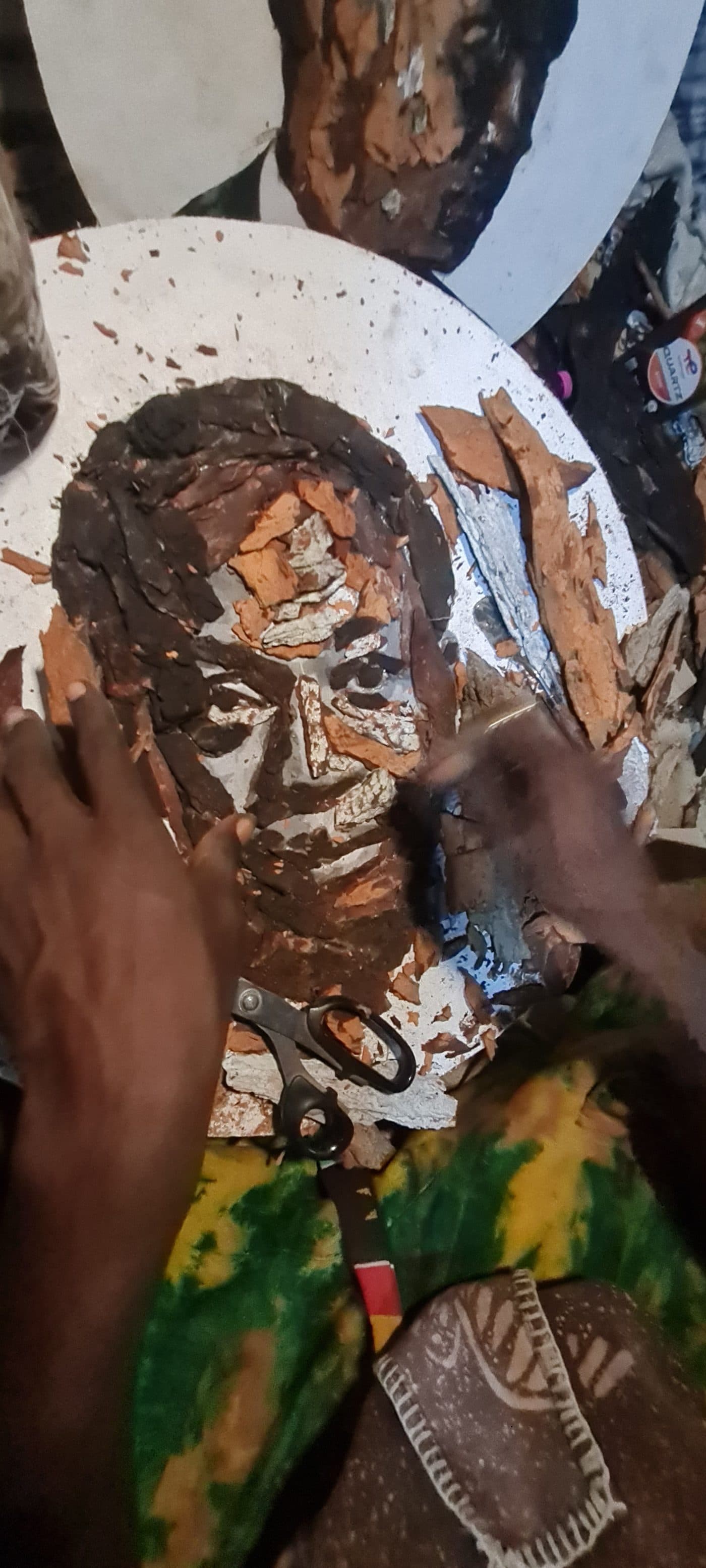
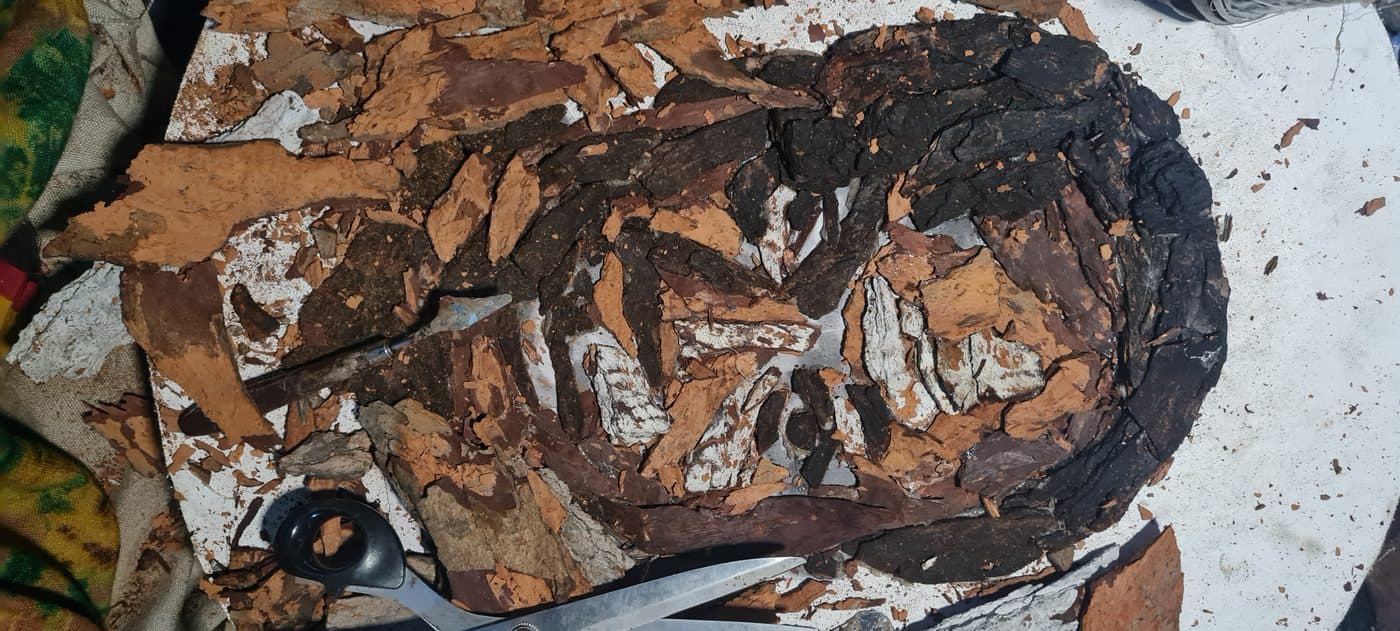
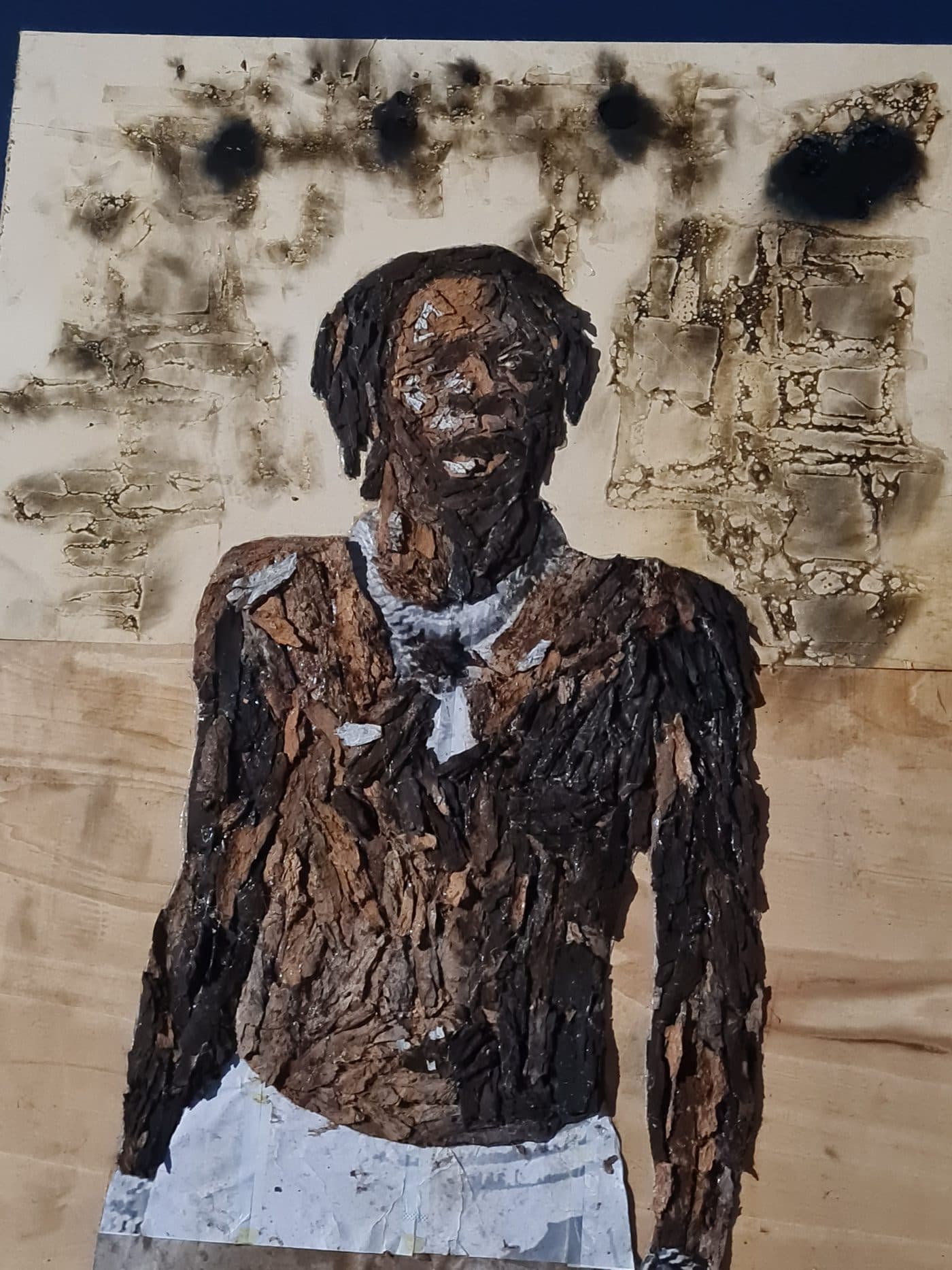
Every material we use carries memory. Nothing is neutral. So when we began making wearable pieces from reclaimed cloth and bark pigment, one question kept returning: how do we let the wearer hear what the garment remembers?
The answer was NFC — near-field communication, the same quiet technology that lives in a contactless card. Each NIPADUA piece is tagged with a chip. Tap it with a phone and the garment tells its own story: where the bark was gathered, who wove the cloth in Adanwomase, which shoreline the reclaimed fabric came from, what the pattern means. The object becomes a doorway back to the hands and the land that made it.
This is not novelty for its own sake. It is a continuation of the oldest idea in our practice — that art is a vehicle of information transfer, that cloth is language, that the maker, the making and the made are one. Kente always carried its meaning in its geometry, legible to those who knew how to read it. The chip simply widens the circle of who can read.
It also changes what ownership means. To wear a NIPADUA piece is to carry a relationship, not just a garment. The chip records provenance the way an elder records lineage — so that the story cannot be stripped away, so that the spiritual core cannot be flattened into "aesthetic trend."
We believe this is the first wearable NFC art practice of its kind in Ghana. But the technology is the smallest part of it. The real work is the insistence that everything we make stays connected to where it came from — that even a trouser, even a mask, even a scrap of redeemed cotton, remembers.